If you’ve started looking into van life, one of the first questions you’ll ask is simple: how much does it cost to convert a van?
The honest answer is that it varies quite a bit. The total cost depends on the van you start with, the level of finish you want, and whether you go down the DIY route or choose a professional conversion.
In this campervan price guide, we’ll break down realistic costs across the UK in 2026, from base vehicles through to full professional builds. The aim is to give you a clear, grounded understanding of what to expect, so you can plan your build properly and avoid surprises later on.
The Cost Of The Base Van
Before any conversion work begins, you’ll need the van itself. For most people, this is the biggest upfront cost.
Two of the most popular choices in the UK are the Volkswagen Transporter and the Ford Transit Custom. Both are widely used for camper conversions due to their size, reliability, and strong resale value.
For a used van in good condition, you can expect:
- Older or higher mileage vans to start from around £8,000 to £12,000.
- Mid-range vans with reasonable mileage typically sit between £12,000 and £20,000.
- Newer or low mileage models can range from £20,000 to £35,000+.
Volkswagen models often sit at the higher end of this range, which is why VW camper conversion cost is typically higher overall. That said, they do tend to hold their value well, which is worth factoring into the long-term picture.
Campervan Conversion Cost Breakdown
Once you’ve got the van, the next step is the conversion itself. This is where costs can vary the most depending on how far you want to go.
Basic Or Partial Campervan Conversions
At the lower end, a basic or partial conversion focuses on getting you up and running with the essentials rather than creating a fully self-sufficient camper. This might include a simple bed platform, some lightweight storage, and a very basic electrical setup for lighting or charging devices.
In many cases, this level of build is either DIY or a minimal professional install, and it’s often chosen by people testing the waters with van life. It works well for short trips and occasional weekends away, but it does come with limitations in terms of comfort, storage, and long-term durability.
Typical cost: £2,000 to £6,000
While it’s the most affordable option, it’s worth remembering that costs can creep up if you start adding features later. Many people who begin with a basic setup eventually upgrade, so it’s important to think about whether this is a short-term solution or the start of a longer journey.
Day/Weekend Campervan Conversions
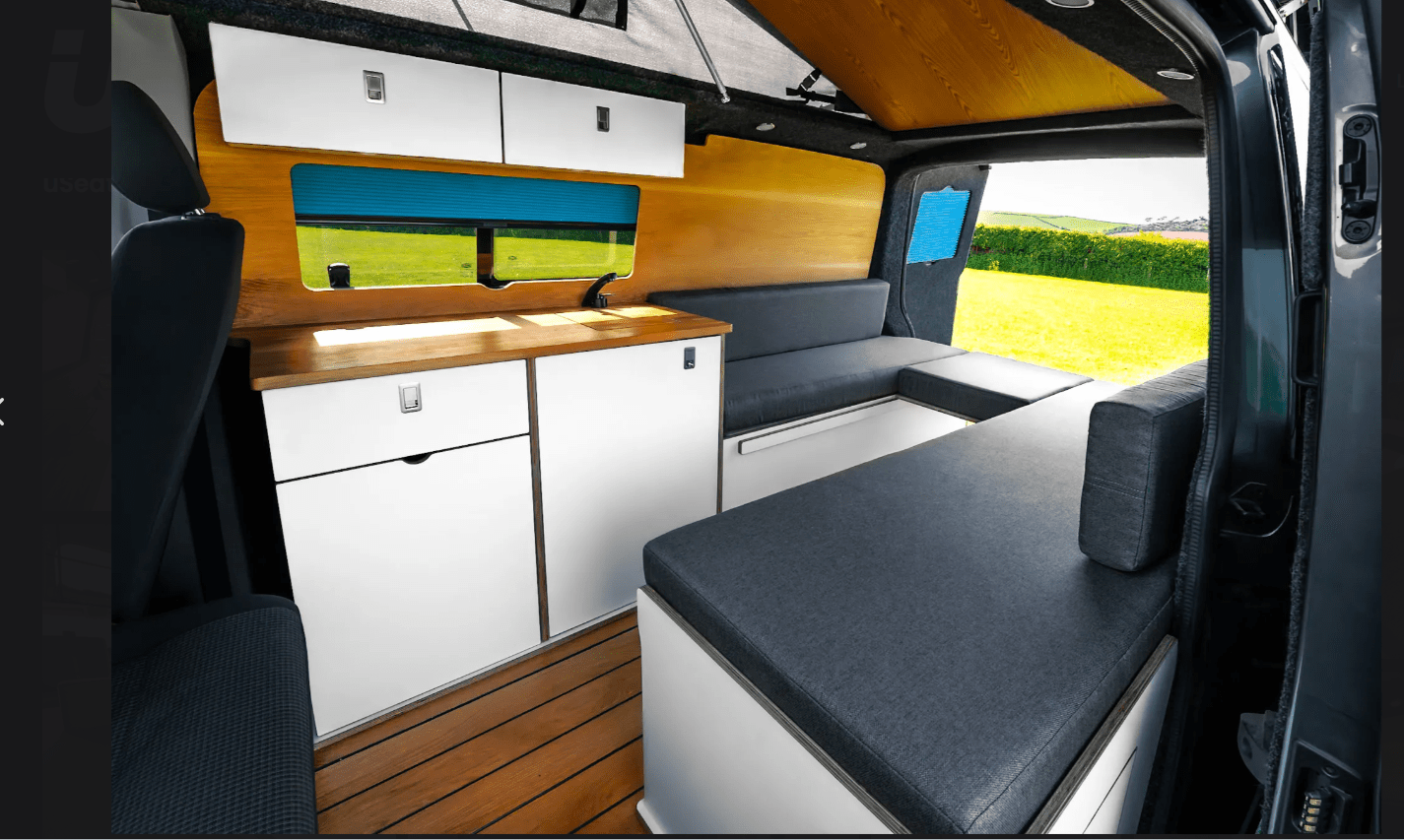
A day/weekend van is where it starts to feel like a proper camper rather than a modified vehicle. At this level, you’re usually looking at a more considered layout with fitted furniture, a quality rock and roll bed, insulation throughout, and a functional electrical system.
This type of build is ideal for people who plan to use their van regularly, whether that’s weekends away, road trips, or longer holidays. You’ll have a much more comfortable and practical space, with proper storage, better finishes, and a setup that’s designed to be used rather than just adapted.
Typical cost: £6,000 to £15,000
The variation in price at this level often comes down to materials and specification. Higher quality furniture boards, better upholstery, and more capable electrics can all push costs towards the upper end, but they also make a noticeable difference in how the van feels day to day.
Full Professional Campervan Conversions
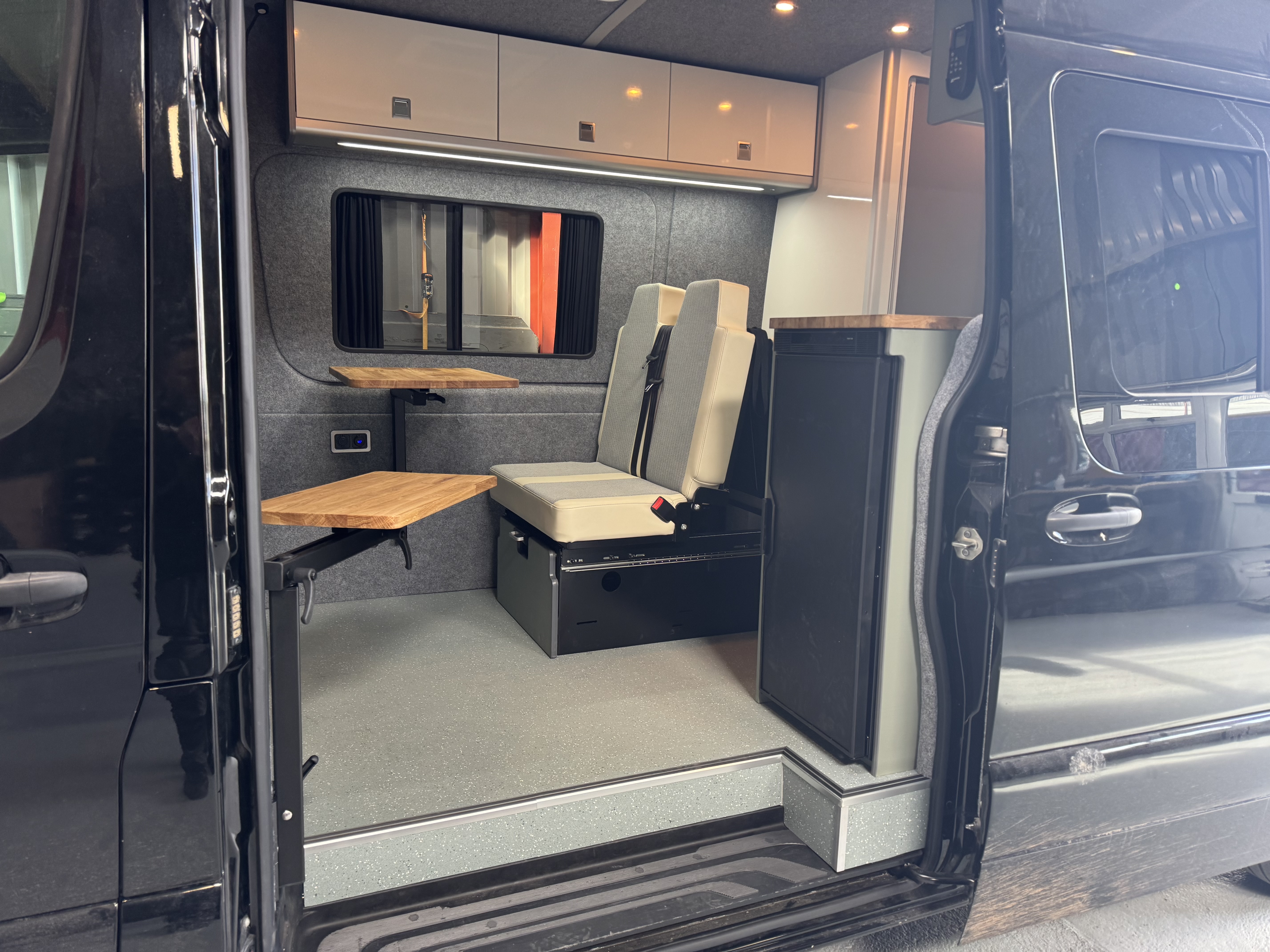
A full professional conversion is the complete campervan package, designed to deliver a high-quality, long-lasting campervan that’s ready for regular use in all conditions. This is where everything is integrated properly, from electrics and heating through to furniture and finishing.
At this level, you’re typically getting a fully insulated and carpeted interior, a professionally installed electrical system, a crash-tested bed, and often a pop-top roof for additional space and sleeping capacity. Features like diesel heating, upgraded lighting, and bespoke layouts are also common.
Typical cost: £15,000 to £40,000+
The reason for the wide price range is specification. A straightforward full build will sit at the lower end, while more bespoke layouts, premium materials, and higher-end systems will increase the cost. For those researching full campervan conversion UK pricing, this is the bracket most professionally built vans fall into, and it reflects the level of craftsmanship, safety, and finish involved.

Campervan Conversion Feature Costs
To understand where the money goes, it helps to break down the main pricing elements of a conversion.
Pop-Top Roofs
A pop-top roof is one of the most popular upgrades, particularly for vans like the VW Transporter where maximising internal space is key. It transforms the usability of the van by allowing full standing height inside and creating an additional sleeping area above.
Typical cost: £3,000 to £6,000 fitted
The final cost depends on the type of roof, the quality of the canvas, and any additional features such as upgraded bed boards or scenic openings. A well-installed pop-top not only improves comfort but also adds to the overall versatility and resale value of the van.
Bed Systems
Campervan bed systems are widely regarded as one of the best options for combining seating and sleeping in a conversion. Many are crash tested to meet safety standards and are designed to be comfortable and durable over long term use.
Typical cost: £2,000 to £3,500+
What sets them apart is the balance of safety, practicality and usability. They provide a solid seating area during the day and convert into a proper bed at night, without the compromises often found in simpler or lower cost setups. For many builds, they are a key part of creating a reliable and road legal camper.
Diesel Heaters
A diesel heater makes a huge difference to how often and when you can use your van, especially in the UK climate. Without one, colder months can quickly limit your trips.
Typical cost: £800 to £1,500 fitted
These systems are efficient, reliable, and designed to run off the vehicle’s fuel supply. A professionally installed heater will be safe, well-integrated, and easy to control, making year-round use much more realistic.
Electrical Systems
The campervan electrical system is what turns a van into a usable living space. This can range from a basic leisure battery setup to a more advanced system with solar panels, inverters, and multiple charging options.
Typical cost: £1,000 to £3,000+
The complexity depends on how you plan to use the van. Occasional use might only require lighting and USB charging, while off-grid travel will need a more robust system. A well-designed electrical setup is one of the most important parts of a professional build.
Furniture & Cabinetry
Campervan furniture is where a lot of the visual and practical quality of a build comes from. This includes kitchen units, storage, worktops, and all the fitted elements that make the space functional.
Typical cost: £2,000 to £6,000+
Higher-end builds will use durable, lightweight materials with a clean, consistent finish. Good design makes a big difference here, not just in how the van looks, but in how easy it is to use day to day.
Windows, Insulation & Finishing
These are the elements that bring everything together and make the van comfortable to live in. Proper insulation, neatly fitted windows, and a well-finished interior all contribute to the overall feel of the build.
Typical cost: £1,000 to £3,000+
While they might not be the most visible upgrades at first glance, they have a big impact on temperature control, noise reduction, and general comfort. Skipping or rushing this stage often leads to issues later on.
Hidden Or Often Overlooked Costs
When looking at UK campervan conversion cost figures, it is easy to focus on the main build and forget the extras.
- Insurance: This can vary depending on the value of the van and whether it is professionally converted. A properly documented build is often easier to insure and may give you access to better policies.
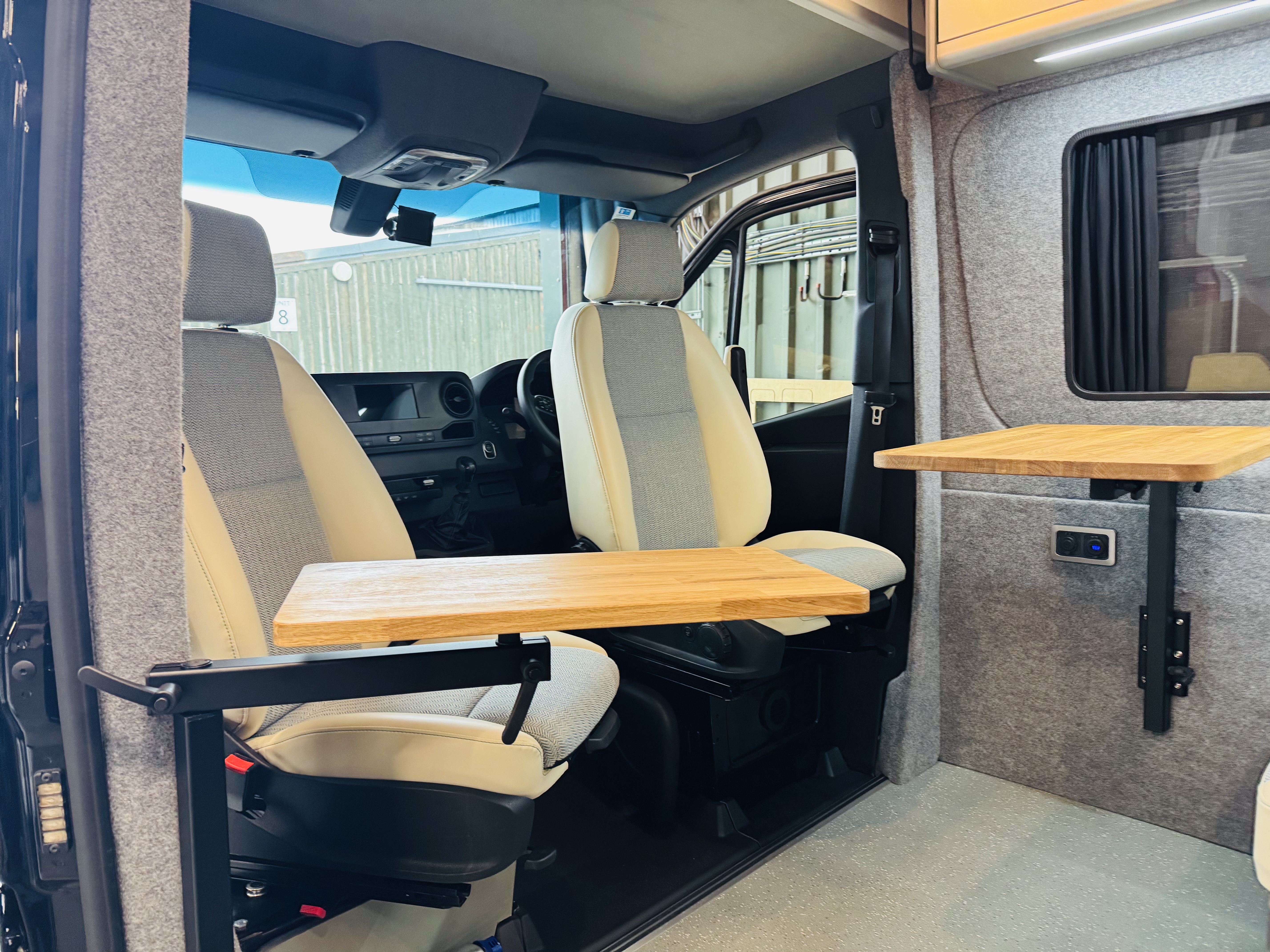
- M1 testing: Important if you are installing additional seats, as it ensures they meet safety standards. This is a key area where professional builds have a clear advantage, as everything is installed and certified correctly.
- DVLA motor caravan classification: This is another consideration. While not always essential, having your van registered as a motor caravan can make a difference for insurance and resale, and it is something many owners choose to pursue once the build is complete.
DIY Vs Professional Conversions
A DIY build can be appealing, particularly from a cost perspective. If you already have the tools, time, and experience, it can be a rewarding project and a way to reduce upfront spend.
However, there are trade-offs to consider. Achieving a clean, durable finish takes time and skill, and certain elements such as electrics and structural modifications require a good understanding of safety and compliance.
Professional conversions bring consistency, experience, and proper installation across every part of the build. Components are fitted correctly, materials are chosen for longevity, and everything is designed to work together as a complete system.
There is also the long-term view. Professionally converted vans often hold their value better and are easier to insure, which can offset some of the initial cost difference over time.
Example Campervan Builds
To make things clearer, here are a few realistic examples of what you might get at different budget levels.
Entry-Level Build (£8,000 To £12,000 Total Conversion)
A simple, functional setup focused on the essentials. This would typically include a basic bed system, limited electrics, and minimal fitted furniture. It is best suited to occasional trips and shorter stays, where simplicity is more important than comfort.
Mid-Range Build (£12,000 To £20,000 Total Conversion)
A well-balanced campervan with fitted furniture, a quality bed, proper insulation, and a usable electrical system. This level is ideal for regular use, offering a good mix of comfort, practicality, and reliability without going fully bespoke.
Premium Build (£20,000 To £40,000+ Total Conversion)
A high-spec or LWB build designed for regular travel and longer trips. This would usually include a pop-top roof, diesel heating, upgraded electrics, and a high-quality finish throughout. Everything is designed to work seamlessly, creating a van that feels complete and ready for extended use.
So, How Much Will It Really Cost?
So, how much does it cost to convert a van?
In the UK in 2026, a realistic starting point is a few thousand pounds for a basic setup, rising to £15,000 to £40,000+ for a full professional conversion for LWB models. When you factor in the cost of the base van, it becomes a significant investment, but one that can deliver real value when done properly.
View Our Campervan Conversion Packages
Looking to convert your own campervan? Take a look at our bespoke packages to understand the pricing and features included.