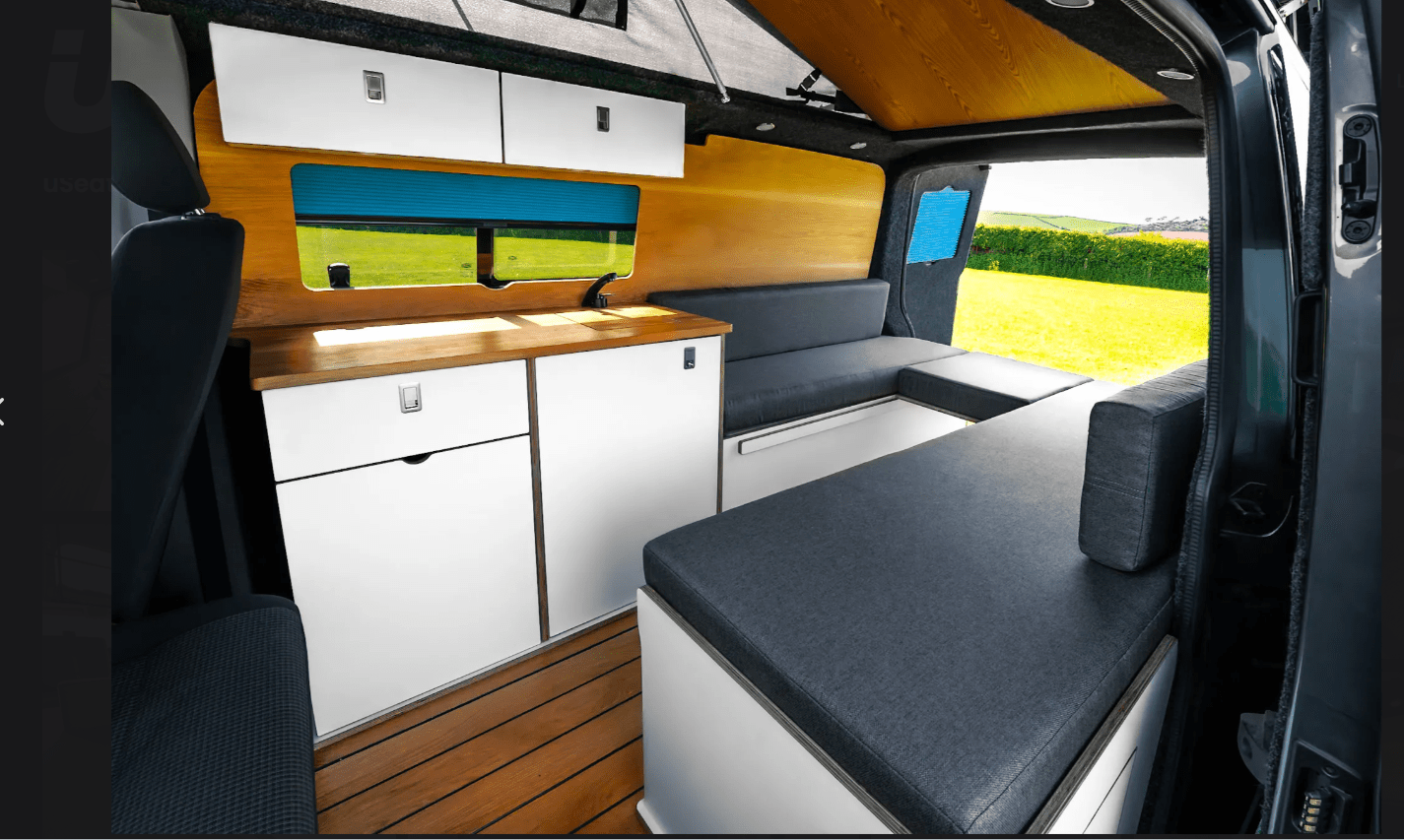
One of the most important decisions in any campervan conversion is how you want your kitchen to work. Cooking is a big part of day to day van life, whether that is making a quick coffee at a stop, cooking proper meals on a campsite, or living off grid for days at a time. The choice between gas and electric cooking has a knock on effect on your power setup, water system, storage space and even how you travel.
In this guide, we break down gas and electric cooking systems properly. We explain how each one works, what components are involved, what they are best suited for and how they integrate into a complete campervan kitchen. There is no single right answer, but understanding the differences makes planning much easier.
What Makes Up A Modern Campervan Kitchen?
A campervan kitchen is a complete system rather than a single appliance. Cooking, refrigeration, water supply and power all need to work together, and choices in one area directly affect how the rest of the setup is designed.
Cooker Or Hob
The cooker or hob is the heart of the kitchen and is usually the starting point for planning. Whether you choose gas or electric determines how the rest of the system is built, including power capacity, ventilation requirements and available storage space.
Fridge
A campervan fridge runs continuously and places a constant demand on the electrical system. Most modern conversions use 12V compressor fridges, which are efficient and reliable, but they must be factored into overall power planning alongside cooking appliances.
Sink Unit
The sink unit provides essential washing and food preparation functionality. In many vans this is combined with the hob in a single unit to save space, particularly in compact layouts. Sink size, tap type and position all affect usability in day to day cooking.
Fresh & Waste Water System
Every campervan kitchen needs a fresh water supply and a way to collect waste water. This can be done using internal jerrycans or underslung tanks depending on van size and travel style. Water storage capacity influences how long you can stay off grid without refilling.
Power Or Gas Supply
The power source behind the kitchen ties everything together. Gas systems rely on safely stored bottles and ventilation, while electric systems depend on battery capacity, charging methods and inverter size. How you cook directly affects how often you need to refill gas, recharge batteries or connect to hook up.

Gas Cooking In A Campervan
Gas cooking has been used in campervans for decades and is still a popular choice, especially for people who want simplicity and flexibility.
How Gas Cooking Systems Work
A gas system usually consists of a fixed hob or cooker, a gas bottle, a sealed gas locker, regulators and pipework. The most common setups use LPG bottles such as the Campingaz 907, which are compact and widely available.
Gas hobs are often combined with a sink in a single unit, making them ideal for compact vans where space is limited. SMEV hobs and sink and hob combo units are commonly used in professional conversions because they are designed specifically for mobile use.
What Gas Is Good At
Gas cooking is very efficient and gives instant heat control, which many people prefer for proper cooking. It does not rely on batteries, so it works just as well off grid as it does on a campsite.
Gas systems are particularly well suited to:
- Off grid travel where electrical power is limited.
- People who cook regularly inside the van.
- Smaller vans where battery capacity is restricted.
Gas can also support other appliances, such as gas powered fridges or heaters, although most modern conversions now favour 12V fridges.
Safety & UK Requirements
Gas safety is critical in a campervan. Bottles must be stored in a sealed, vented gas locker, pipework must be properly installed and appliances correctly secured. Ventilation is essential, both for safe operation and for preventing condensation.
Professional installation follows UK best practice, including pressure testing, correct ventilation and safe appliance selection. While campervans are not legally required to be Gas Safe certified in the same way as homes, good installers follow the same safety principles.
Cost Considerations
Gas systems are generally cost effective to install. A quality hob, bottle, locker and pipework is usually less expensive than building a large electrical system capable of supporting electric cooking. Ongoing costs are low, with bottle refills being relatively affordable.

Electric Cooking In A Campervan
Electric cooking has become increasingly popular, particularly with improvements in lithium batteries, solar charging and inverter technology.
How Electric Cooking Systems Work
Electric cooking typically uses induction hobs or portable electric cookers powered via an inverter. These systems draw power from the leisure battery bank, which is recharged through driving, solar panels or mains hook up.
Induction hobs are efficient but demand high power, which means the electrical system must be designed to cope with short bursts of heavy load.
What Electric Is Good At
Electric cooking removes the need for gas storage entirely, which simplifies installation and reduces safety considerations around ventilation and gas lockers.
Electric systems work particularly well for:
- Vans that spend a lot of time on campsites with hook up.
- Day vans or weekend vans with lighter cooking needs.
- People who prefer an all electric setup.
Electric cooking also pairs well with modern 12V fridges and electric water systems, creating a unified electrical setup.
Power & System Planning
Running an electric cooker requires careful system design. Battery capacity, inverter size and charging methods must all be considered. Without sufficient capacity, electric cooking can quickly drain batteries when off grid.
This is where professional planning matters most. A well designed system balances usage so cooking, refrigeration and lighting can all run without compromise.
Cost Considerations
Electric cooking systems often cost more upfront due to the need for larger batteries and inverters. However, they can reduce long term running costs for people who regularly use mains hook up and prefer not to manage gas bottles.
Campervan Fridges & How They Fit In
Modern campervan kitchens almost always use 12V compressor fridges. These are efficient, reliable and work consistently whether the van is moving, parked or off grid.
Brands such as Dometic and Thetford are commonly used in conversions because they are designed for mobile environments. A 12V fridge integrates easily with both gas and electric cooking setups, but electric cooking systems need to account for fridge power usage when sizing batteries.

Campervan Sink Units & Water Systems
A proper campervan sink unit is essential for cooking and cleaning. Most systems include a fresh water supply, a waste water tank and a 12V pump such as a Shurflo pump to provide consistent water pressure.
Fresh water can be stored in removable jerrycans or underslung water tanks, depending on van size and how the van is used. Underslung tanks free up interior space and are ideal for longer trips, while jerrycans are simple and easy to maintain.
Water systems work the same regardless of cooking method, but planning them alongside the kitchen layout ensures everything remains accessible and easy to use.
Why Van Size & Layout Matters
In a VW Transporter conversion, space and weight limits often make gas hobs and combined sink units the most practical choice. Larger vans and long wheelbase conversions offer more flexibility, making electric cooking more viable with increased battery capacity and storage.
Layout affects everything from where gas lockers can be installed to how water tanks are positioned, so kitchen planning always starts with the van itself.
Gas Or Electric? Which Is Right For You
Gas and electric cooking both work extremely well when designed properly. Gas suits off grid travel and traditional cooking styles, while electric suits campsite based travel and all electric builds. The best choice depends on how you travel, how often you cook and how your overall campervan system is designed.
Contact Templer Way Campers Today
Choosing the right cooking setup is about more than just the hob. It is about designing a campervan kitchen that works safely, efficiently and suits the way you actually use your van. Planning everything together from the start avoids compromises later.
If you are planning a campervan conversion and want help choosing the right kitchen setup, we are always happy to talk through the options and design a system that works properly for your van and your travels.