Understanding a campervan’s electrical and solar system is one of the biggest hurdles for anyone planning a conversion. It is often described as the most technical and intimidating part of a build and for good reason. A modern camper relies on several interconnected components: 12V power, 240V hookup, charging systems, solar, inverters and safe distribution. When these systems are designed and installed professionally, they provide years of reliable power whether you are at a campsite or completely off grid.
At Templer Way Campers, we install electrical systems every day. This guide is written to help you understand what goes into a well designed setup, the components involved and what a qualified installer considers during the process.
Understanding The Difference Between 12V & 240V Power
Most vans including VW and Ford camper conversions, make use of two electrical systems, each serving different purposes.
12v Power Systems
12V power runs everything designed for efficient, low draw use inside the van. This includes lighting, USB charging, the water pump, fans, cool boxes, diesel heaters and control panels. A typical professional 12V system includes a leisure battery, fuse board, wiring distribution, USB ports, 12V sockets and a central control panel. We commonly install systems built around a 100Ah AGM battery as a dependable base option.
240v Power Systems
240V power provides the same mains electricity you use at home. This is only available in a camper when plugged into an external hookup point or supplied through an inverter. A typical mains system includes an external hookup inlet, consumer unit, RCD protection, MCBs, 240V sockets and a mains charger to top up the leisure battery when connected to shore power. We frequently install Victron mains chargers as part of our 240V kits.
Having both systems allows you to run low draw equipment for long periods on 12V and switch to mains for higher demand appliances when needed.

How Campervan Electrical Systems Should Be Designed
Before any installation begins, a technician carries out a design assessment. This ensures the electrical system reflects the customer’s needs, the style of travel and the overall layout of the conversion.
A typical professional design process includes:
- Assessing expected power use including lighting hours, fan usage, charging devices, any appliances and fridge options
- Matching battery capacity to lifestyle such as weekend trips or long off grid stays
- Considering alternator type to determine correct charging method
- Selecting the appropriate balance of alternator charging, mains charging and solar
- Planning wiring routes, cable sizes, ventilation and safe mounting points
- Ensuring all components comply with safe installation practices and relevant guidance
The goal is to produce a system that is safe, efficient and built to support both current and future needs.
Battery Banks: AGM & Lithium
The leisure battery is the heart of the electrical system. Most of the 12V equipment in the van relies on it, so choosing the right type matters.
AGM Batteries
A 100Ah AGM battery is the standard setup in many campervans. They are robust, affordable and a familiar choice. They work well for weekend and moderate use systems. However, AGM batteries:
- Have slower charging rates
- Are heavier than lithium
- Do not allow as deep a discharge without reducing lifespan
We commonly install AGM setups in our standard 12V systems as they provide reliable performance for typical van requirements such as the VW Transporter campervan.
Lithium Batteries
Lithium batteries are a step up in performance. They are lighter, charge faster and handle deeper discharge cycles without damage. For customers staying off grid or powering more demanding systems, a 100Ah unit is often recommended.
Lithium systems are also paired well with DC DC chargers and solar because they make full use of the available charging current. Professionals also install additional protection and monitoring because lithium requires precise management.

Split Charge & DC DC Charging Systems
Keeping the leisure battery charged is just as important as choosing the battery itself.
Split Charge Relays
In older vehicles with traditional alternators, a voltage sensitive relay can be used to charge the leisure battery while driving. These systems activate when the engine battery reaches a certain voltage and are suited to simpler, lower demand setups.
We install these in vehicles where they are compatible and appropriate.
DC DC Chargers
Modern vans such as the Transporter T6 and Transit Custom use smart alternators which vary output and cannot reliably charge a leisure battery through a voltage sensitive relay. For these vehicles, a DC DC charger is essential.
A professional installer will:
- Size the DC DC charger correctly
- Mount it securely
- Ensure correct cable gauge and fusing
- Configure the unit for AGM or lithium charging profiles
- Integrate it with solar and mains charging if needed
DC DC charging provides stable, predictable charge rates and is now the standard for most new campervans.

Bringing 240V Power Off Grid With Inverters
An inverter converts 12V battery power into usable 240V electricity. It is the only way to run mains appliances when not connected to external hookup.
Professionals typically install pure sine wave inverters as they provide clean, stable power suitable for laptops, chargers, kitchen appliances and sensitive electronics. Inverter sizes vary depending on usage with common setups ranging from 300W for light charging up to 1500W or more for larger appliances.
A technician will ensure:
- Correct fusing
- Adequate isolation
- Proper positioning and ventilation
- Safe cable routes
- Compliance with best practice guidance
This ensures the inverter is both effective and safe over long periods.
240V Hookup Systems
A 240V mains hookup gives the van access to campsite electricity. A standard installation includes:
- An external mains inlet
- RCD and MCB protection
- 240V socket outlets
- A Victron mains charger for topping up the leisure battery
- Safe positioning of consumer units and wiring routes
When on hookup, you can run high draw appliances and recharge the leisure battery at the QWsame time which makes it a reliable option for campsite stays.

Off Grid Charging With Camper Solar Systems
Solar systems have become one of the most popular upgrades for campervans, especially for off grid travel.
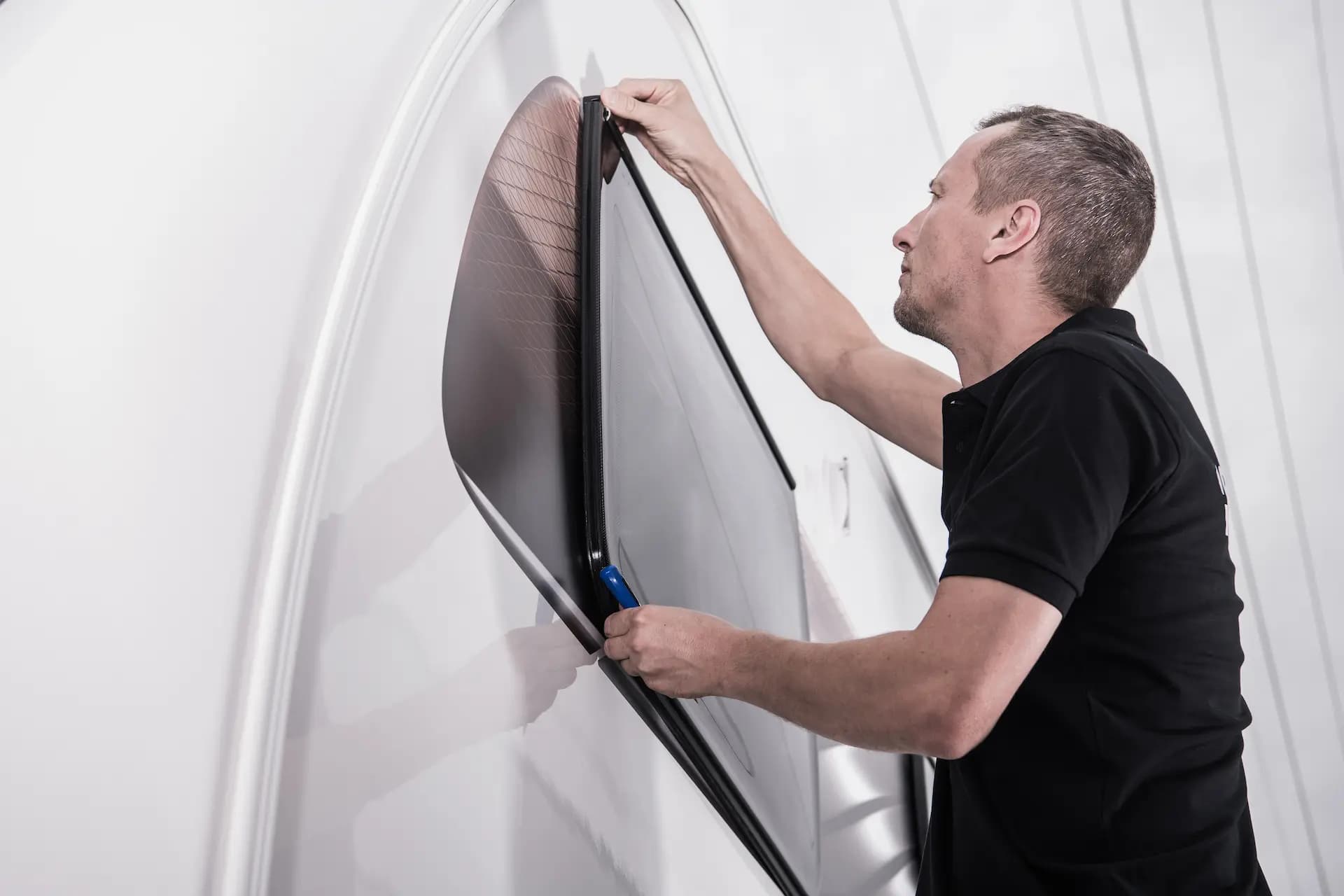
We supply and install both traditional semi flexible panels and Flex CIGS panels. CIGS technology has several advantages:
- Higher solar efficiency
- Low heat output
- Minimal shading loss thanks to bypass diodes in every pair of cells
- No ventilation gap required
- Better performance in mixed weather
Solar systems are paired with Victron MPPT controllers to maximise energy harvest. Typical setups range from around 125W to over 165W depending on space and energy requirements.
For customers who want reliable power without relying on campsites, solar is a highly effective and maintenance free option.
Off Grid Power Stations
For users who want plug and play off grid power, portable lithium power stations are another option. They offer mains and 12V outputs in a single unit and can be used as:
- A standalone power source
- A backup supply for off grid trips
- An alternative to a built in system in very simple conversions
We supply units such as 1800W and 2400W power stations which give customers a flexible way to power devices without permanent wiring.
Safety, Standards & Professional Practice
Safety is at the core of any electrical installation. A professional installer follows best practice across the entire system:
- Correct cable gauging
- Secure earth bonding where required
- Proper ventilation for inverters and chargers
- Accurate fuse selection
- Isolation switches for major circuits
- Safe routing of cables to avoid abrasion or overheating
- Secure mounting of all components
- Appropriate use of RCDs and MCBs
- Alignment with BS 7671 principles and NCC guidelines where relevant
These considerations ensure the system operates efficiently and safely for years to come.

Bringing Everything Together As A Complete Campervan Electrical System
A well designed electrical setup is not a collection of separate components; it is a balanced system. A professional technician ensures:
- All charging sources work together sensibly
- The battery bank matches the usage demands
- The wiring is safe, optimised and logically routed
- Solar, mains and alternator charging complement each other
- 12V and 240V systems integrate without conflict
- The system supports the customer’s style of travel
This level of planning and integration is what makes a campervan reliable, safe and enjoyable to use.
Choose Templer Way Campers For Help With Your Campervan Electrics
If you would like advice, upgrades or a professionally installed electrical system, feel free to get in touch with Templer Way Campers. We are always happy to help you build a setup that suits your needs.